Producing now
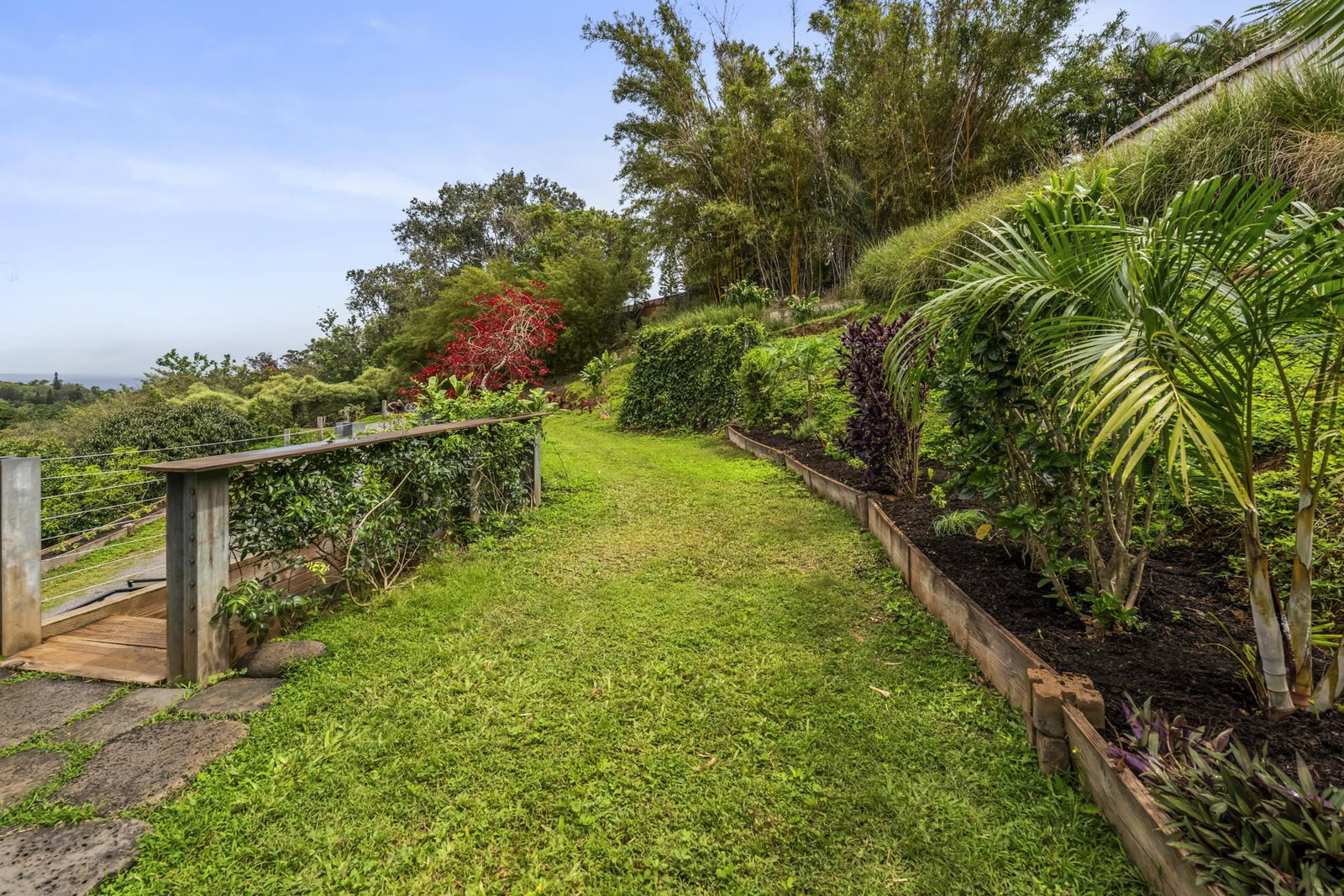
- Papaya
- Mango
- Avocado
- Lychee
- Jackfruit
- Sapote
- Starfruit
- Citrus
- Banana
- Coffee
- Soursop
- Mountain apple
Not a brochure for low-impact living. The working answer — built by Graham Hill, founder of TreeHugger and LifeEdited, and refined over seven years of actually living in it.
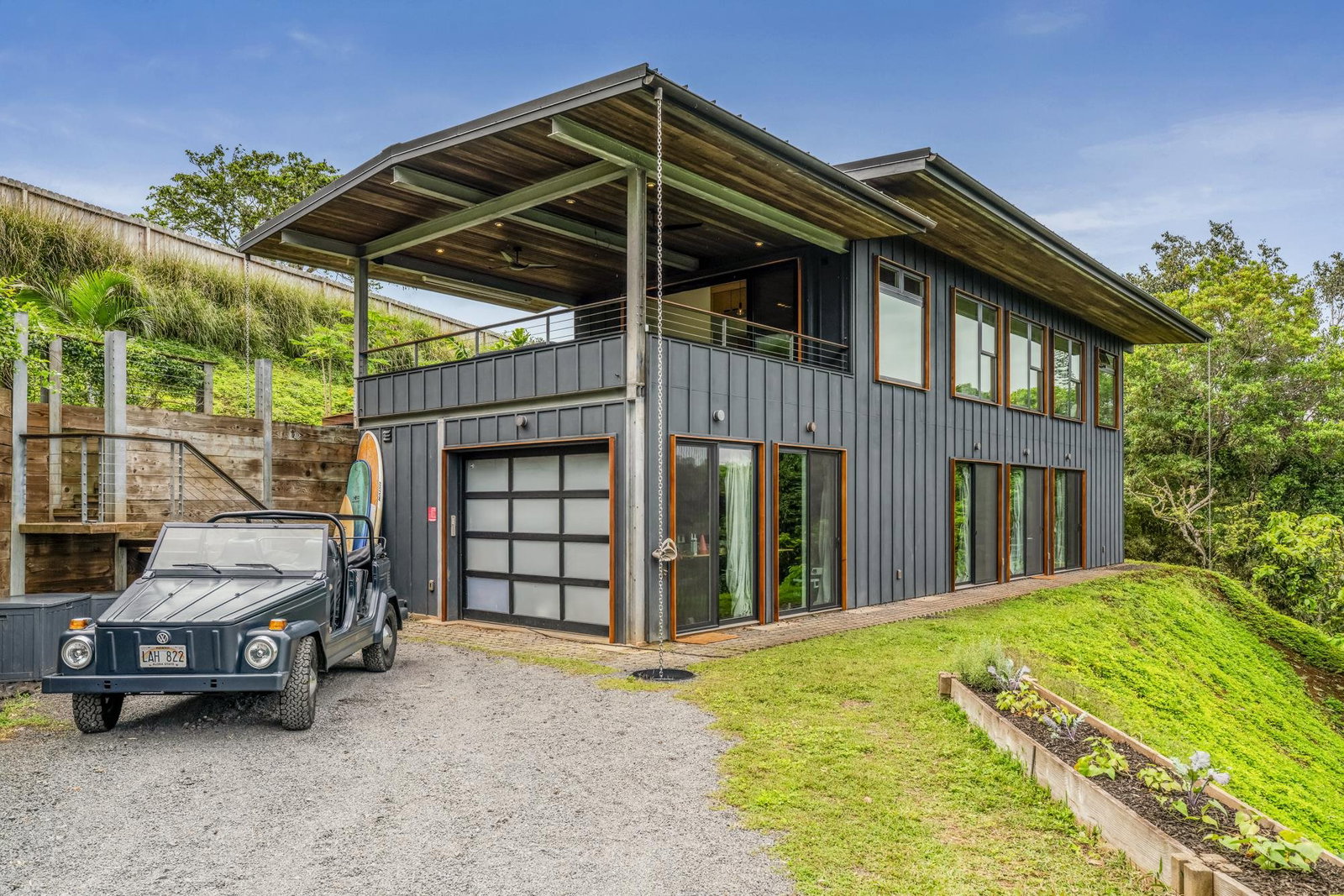
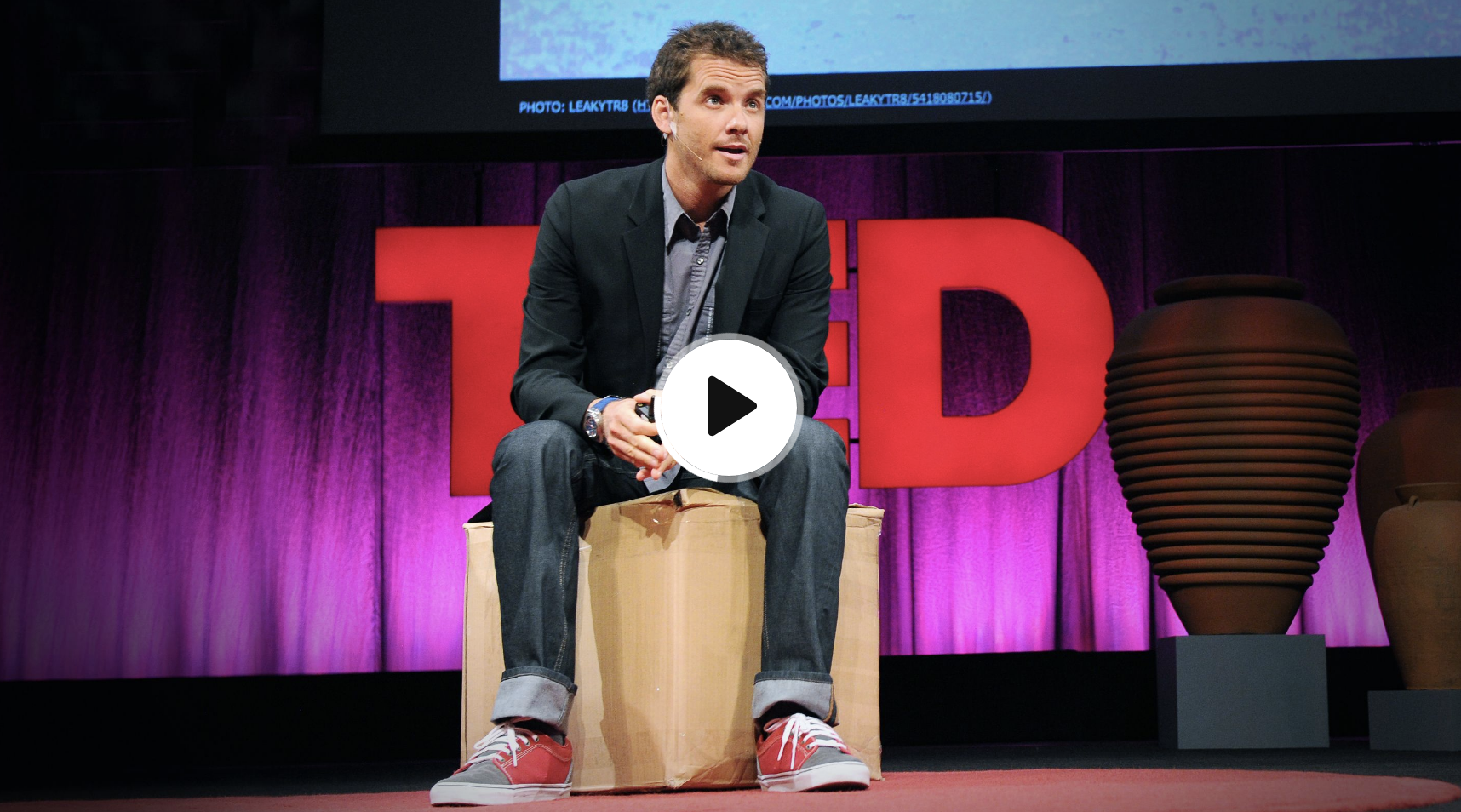
In 2011 Graham Hill walked onto the TED mainstage and asked a deceptively simple question — how little do we actually need, to live well? Seven million views later, the answer was framed in steel and cedar on a ridge in Ha‘ikū. Designed for low-impact living from the ground up, then refined over seven years of actually living in it.
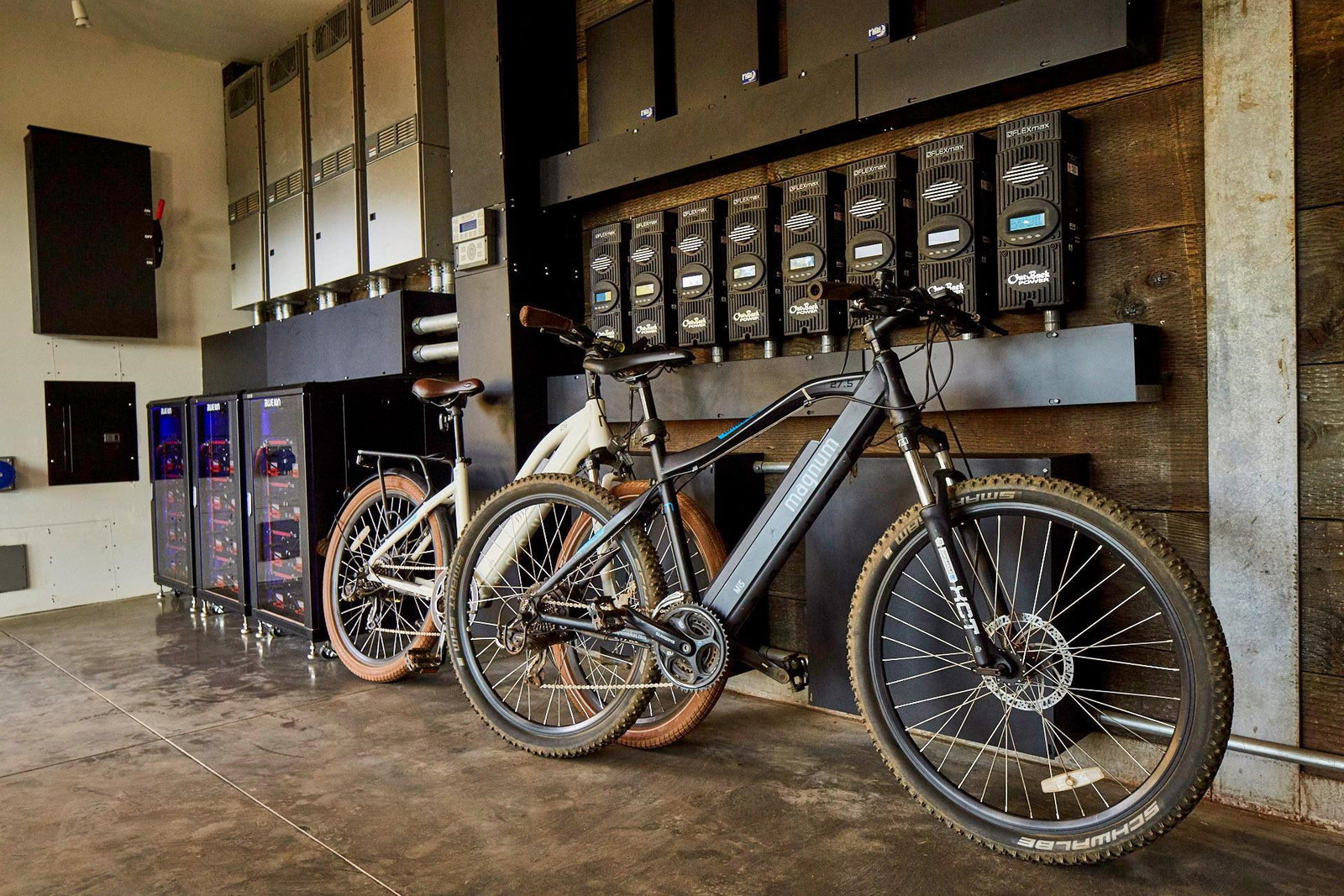
None of this is theoretical. Every system has been tuned by use — by storms, by guests, by mistakes corrected. What's for sale is the seven years.
Producing now
Net-positive
Rain-fed
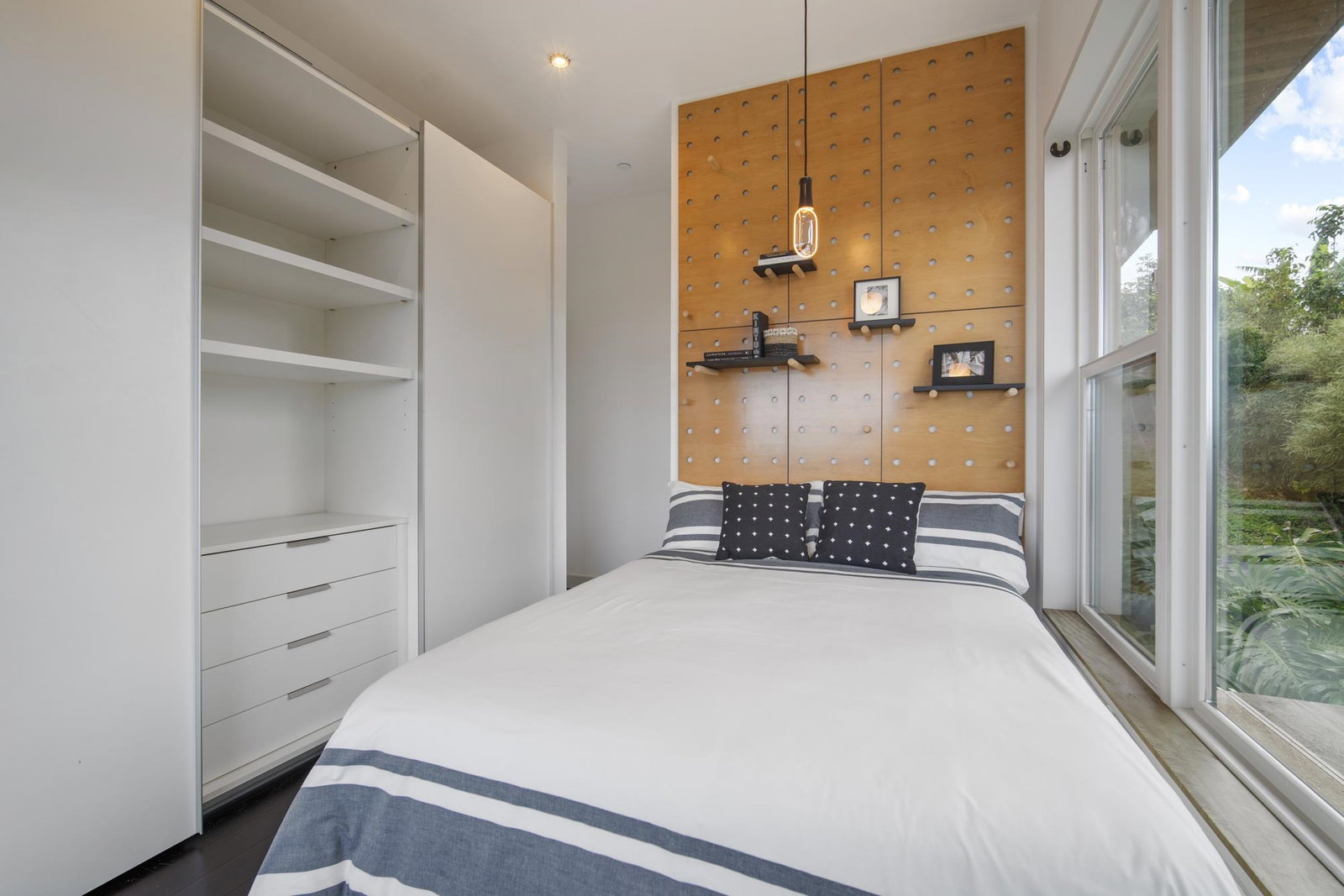
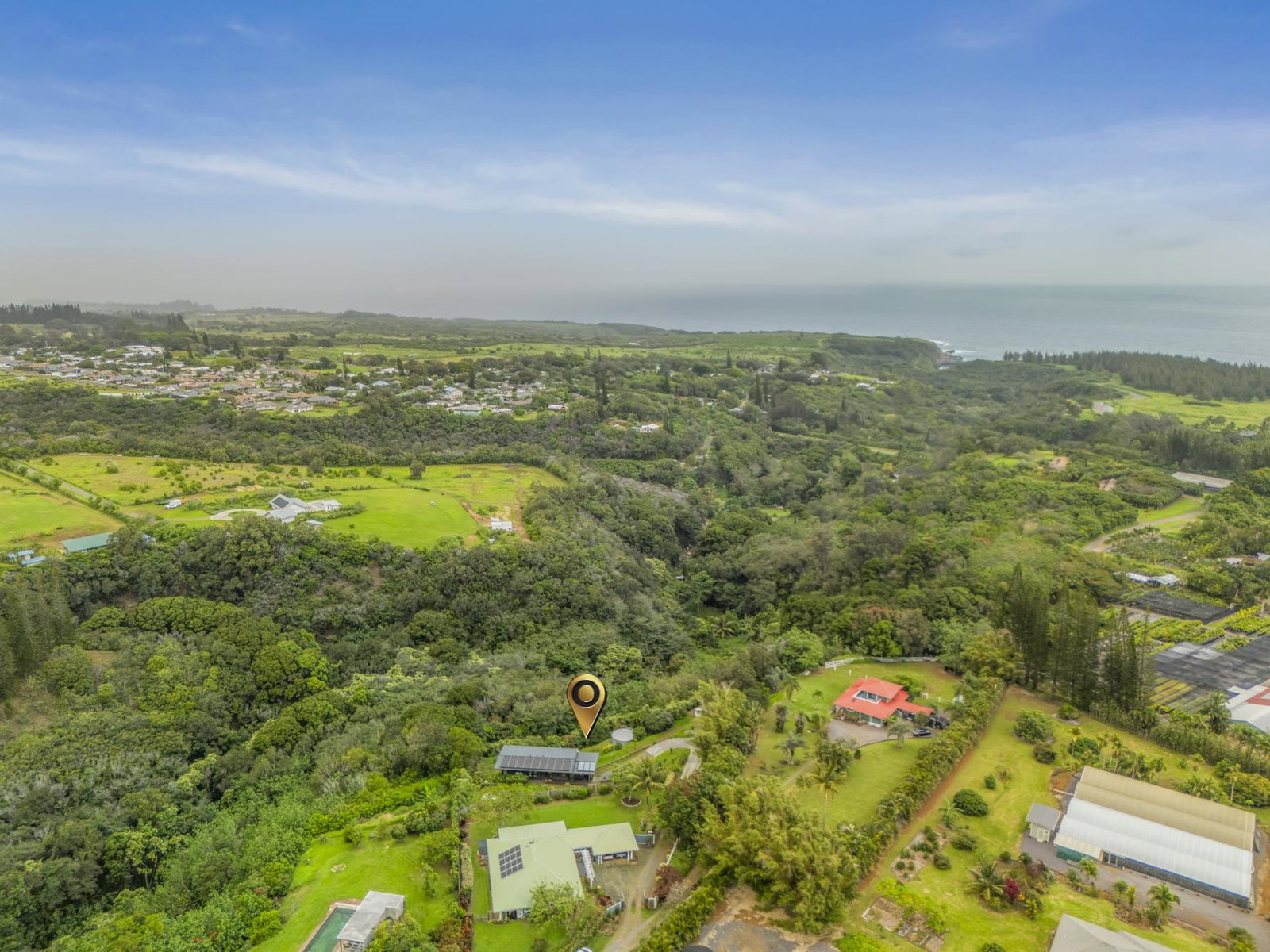
The house sits on a northwest-facing ridge at 812 feet, directly in the trade-wind path. Six-foot overhangs keep the high summer sun off the glass; twelve-foot ceilings let hot air rise and exit the leeward side. On the hottest day of the year, you open the doors and the house cools itself.
Graham's sustainability practice — The Carbonauts — has grown into a full-time operation based in New York. The Maui house has done its job: it became a public proof of concept, a case study cited in a dozen publications, the living laboratory behind a decade of work.
It is offered now not to a flipper but to a steward — somebody who sees what was built here, understands the seven years it took to refine, and wants to carry the experiment forward.
Showings are by appointment. The conversation begins below.


Showings are by appointment. We ask that interested parties provide a short note on what draws them to the property — stewardship matters here in a way it does not in a standard transaction.